CBH Talk | An Unfinished Revolution: Dialogues on Freedom and Democracy with Khalil Gibran Muhammad
Marking the 250th anniversary of the nation’s founding, join us to reflect, reckon, and reimagine the ideals at the heart of the American experiment.
Across three evenings, CBH invites distinguished historians to select short readings as starting points for guided public conversations on the promise, limits, and enduring contradictions of a revolution still unfolding.
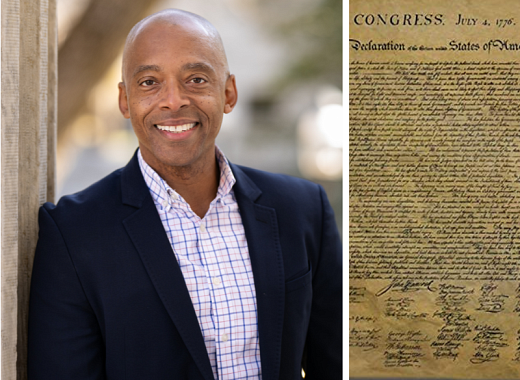
For the first program in the series, historian Khalil Gibran Muhammad has selected “The Souls of White Folk” by W. E. B. Du Bois as the evening’s shared reading and point of departure.
Using the essay as a springboard, participants will engage in a guided conversation exploring race, democracy, power, and the unfinished work of freedom in the United States. Audience members are invited not simply to listen, but to actively reflect, question, and contribute to the discussion. The evening and all of the events in the series will be guided by Ben Tumin, creator of the podcast and Substack Skipped History.
Read The Souls of White Folk by W. E. B. Du Bois here.
This program takes place in CBH’s Othmer Reading Room. Space is limited. Future programs in the series feature historians Elizabeth Hinton and Kellie Carter Jackson.
About "An Unfinished Revolution: Dialogues on Freedom and Democracy"
As the United States marks its 250th anniversary, this series invites audiences into conversation about the paradox of a nation founded on sweeping democratic ideals that have never been fully realized. Blending historical reflection with participatory dialogue, we'll move from text to conversation to collective exchange, creating space for audiences to grapple together with how the past continues to shape the present and what it might mean to carry forward the unfinished work of democracy.
Participants
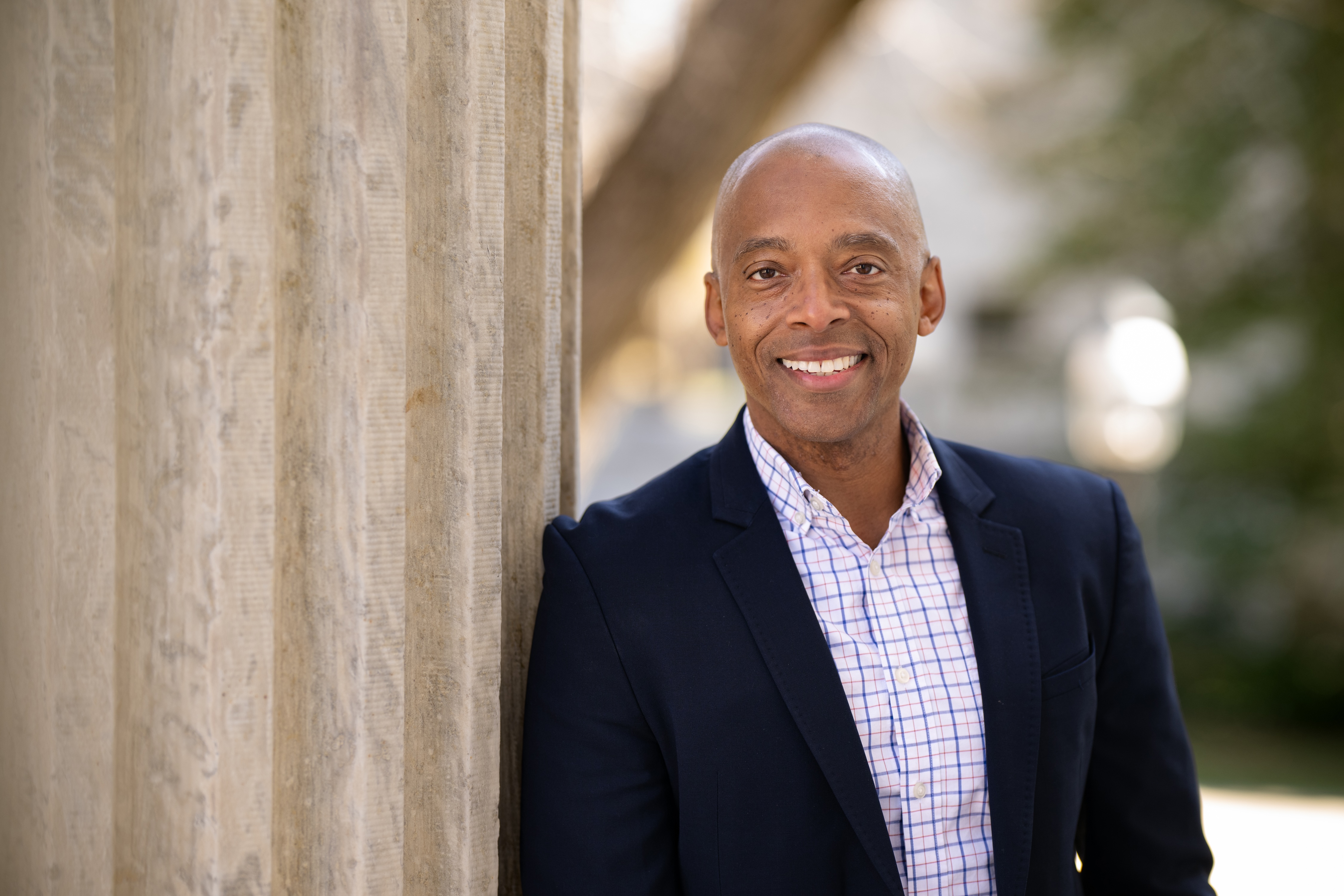 Khalil Gibran Muhammad is the inaugural Professor of African American Studies and Public Affairs at Princeton University, where he directs the Institutional Antiracism and Accountability Project. He is Board Chair of the Vera Institute of Justice, and a WGBH contributor to Boston Public Radio. He is the former Ford Foundation Professor of History, Race and Public Policy at the Harvard Kennedy School and the former Director of the Schomburg Center for Research in Black Culture, a division of the New York Public Library and the world’s leading library and archive of global Black history. He co-hosted the Pushkin Industries podcast Some of My Best Friends Are and recently co-chaired the New Jersey Institute of Social Justice Reparations Council.
Khalil’s scholarship examines the broad intersections of systemic racism, structural inequality, and democracy in U.S. History. He is the award-winning author of The Condemnation of Blackness: Race, Crime, and the Making of Modern Urban America and co-chaired a 2022 National Academies of Science study, Reducing Racial Inequality in Crime and Justice. His writing and scholarship have been featured in national print and broadcast media outlets, such as the New Yorker, Washington Post, The Nation, National Public Radio, PBS Newshour, Moyers and Company, MSNBC, WGBH, and the New York Times, which includes his sugar essay for The 1619 Project. He has appeared in two dozen feature-length documentaries, including Amend: The Fight for America, the Oscar-nominated 13th, and Slavery by Another Name (2012).
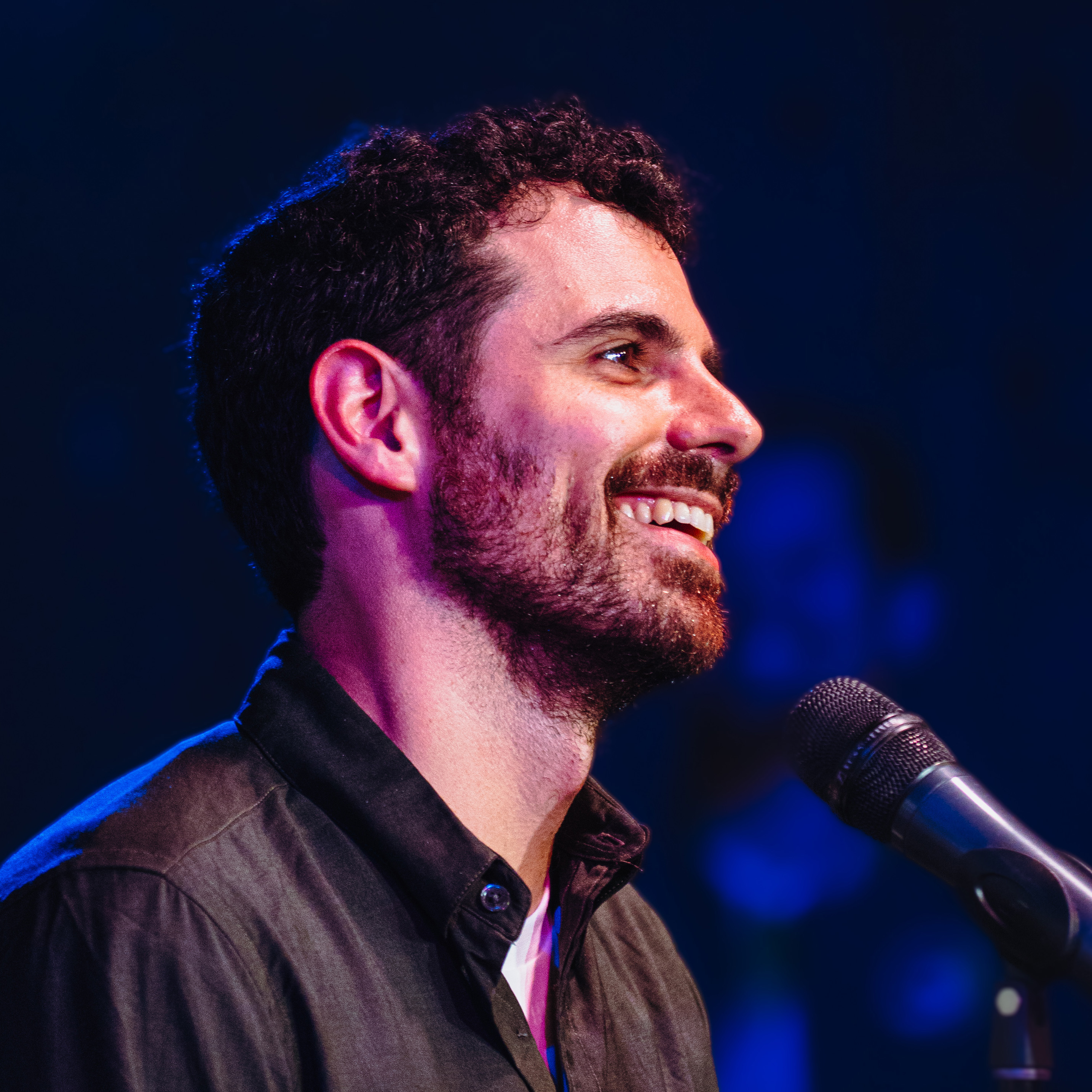 Ben Tumin is a Brooklyn-based writer, researcher, and performer whose work bridges historical scholarship with live performance, documentary video, and public humanities. He is creator and performer of The Power Broker Trilogy, an original multimedia live series inspired by Robert Caro's landmark work. The trilogy has completed sold-out runs at NYC's Caveat theater, with Part 3 slated for September 2026.
Tumin also produces Skipped History, a weekly newsletter featuring interviews with historians and journalists whose work has appeared in Teen Vogue. His companion web series—researching overlooked people and events that shape contemporary America—has amassed over one million views across platforms and earned profiles in The New York Times and citations in The Washington Post.
This program is funded in part by the NYU Office of Community Engagement.
Center for Brooklyn History programs are made possible in part by the New York State Legislature and the Office of the Governor.