CBH Talk | How Movements Are Built
Take your pessimism and your conviction that there is little you can do to alter the state of the country, and acknowledge this reality: you and two friends can change the world. All it will take is everything you have.
~ Saul Austerlitz, “How to Assemble an Activist”
Join a panel of writers, organizers, and elected leaders for a powerful and urgent conversation about how movements are built quietly, locally, and out of public view, before erupting into collective action. Moderated by Saul Austerlitz, author of How to Assemble an Activist, this program explores the sparks that turn private alarm into public action. Drawing on his own journey from political observer to engaged organizer, Austerlitz offers a compelling case study of how ordinary people step forward, find one another, and begin the long work of change.
Austerlitz will be joined by Council Member Alexa Avilés, graphic artist and political zine-maker Megan Piontkowski, and senior national political manager at Indivisible and co-founder of Hands Off NYC Molly Sandley, whose voices are grounded in the day-to-day realities of grassroots work. Together, they will pull back the curtain on what happens beneath the headlines: the patient community-building, the creative interventions, and the sustained collaboration that allow movements not just to ignite, but to endure.
At a moment when many feel the pressure to “do something,” this program asks what meaningful action actually looks like and how it can be sustained over time by centering the transformative experience of choosing to act and the shared endeavors that turn outrage into impact.
Presented in connection with the current CBH exhibition, “People Making Power: Politics in Brooklyn”
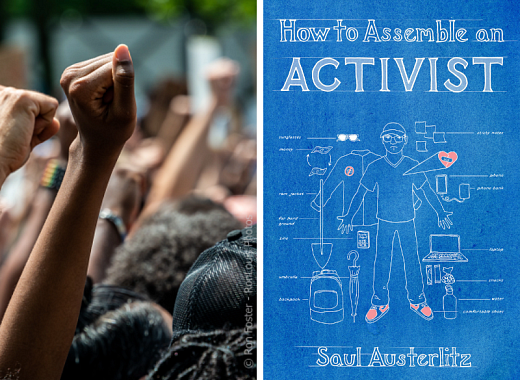
Above image: Ron Foster, color photograph of demonstration in Cadman Plaza; April 7, 2020; Brooklyn Resists Community Photographs, Brooklyn Public Library, Center for Brooklyn History; BRCP_0009
Participants
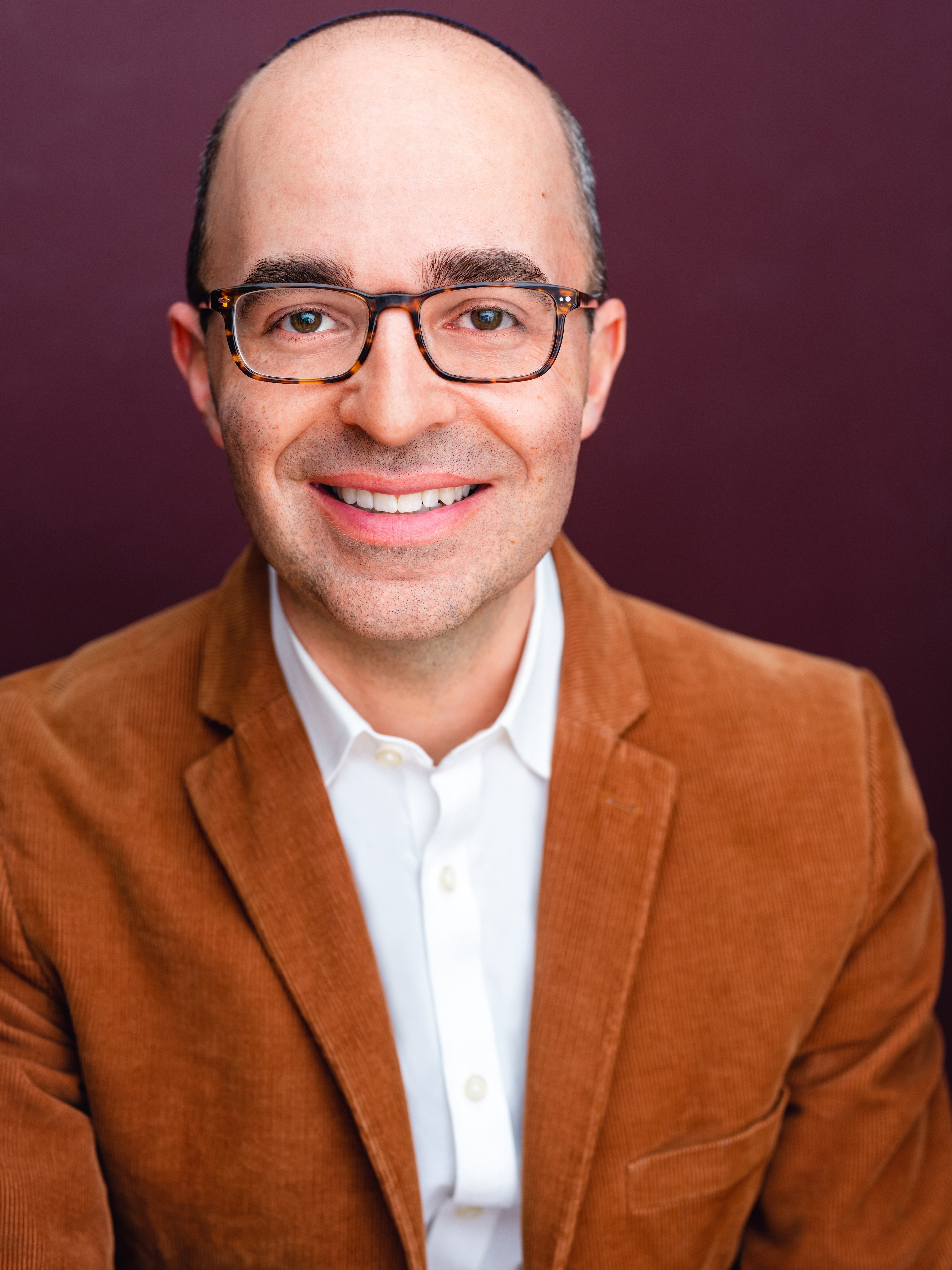 Saul Austerlitz is the author of seven books, including his latest book, How to Assemble an Activist. His work has been published in the New York Times, Washington Post, Vanity Fair, The Atlantic, and other publications. He is the co-founder of Brooklyn Resisters, an Indivisible group active since 2017.
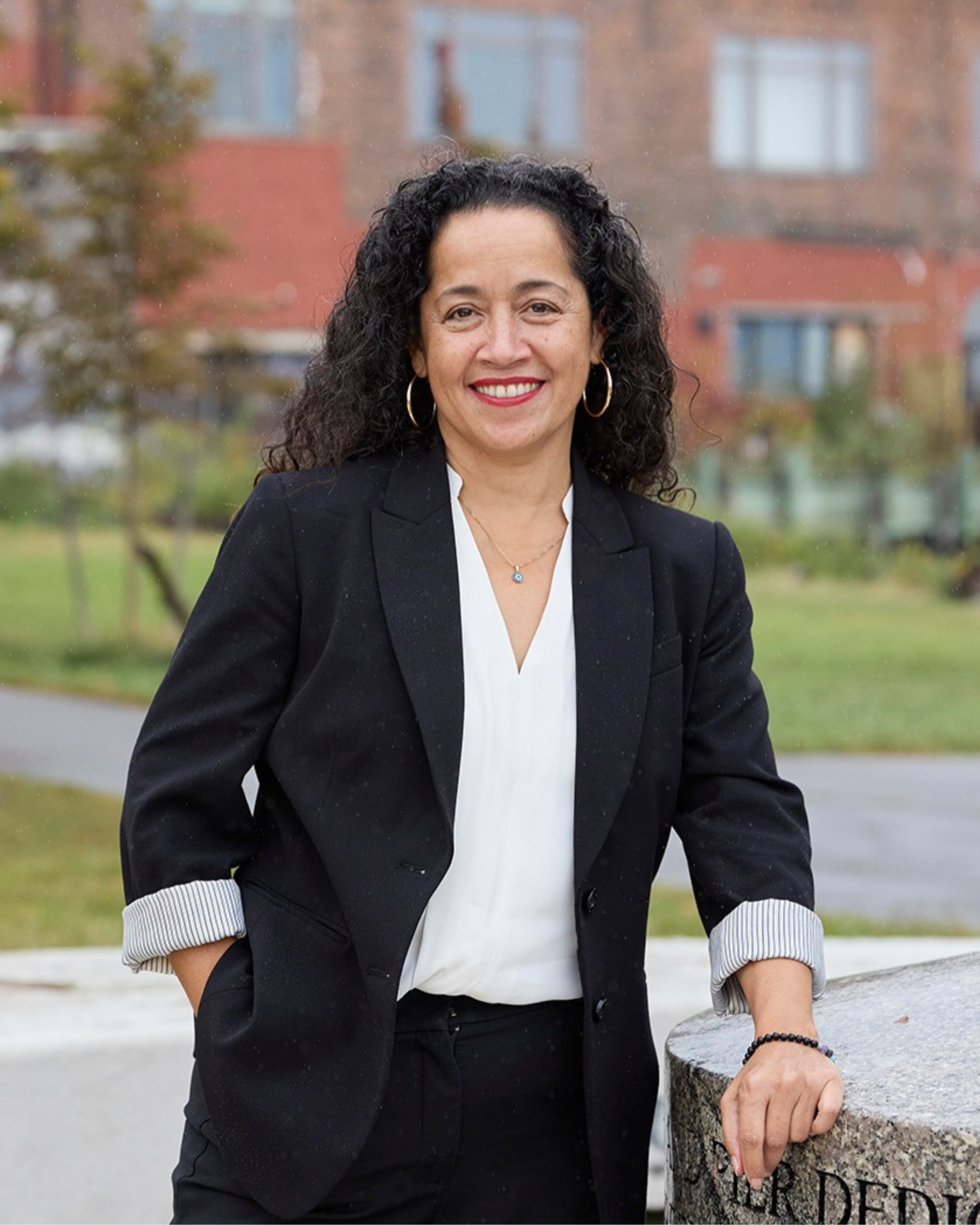 Council Member Alexa Avilés is currently serving in her second term in the New York City Council representing the 38th District that includes the neighborhoods of Red Hook, and parts of Park Slope, Sunset Park, Borough Park, Dyker Heights, Bensonhurst and Bath Beach. She serves as the Chair of the Committee on Immigration and is a member of the Economic Development, Public Housing, Housing and Buildings, General Welfare. Environmental Protections, Resiliency and Waterfronts Committees, as well as on the Council’s Taskforce to Combat Hate. She is a proud Boricua Brooklynite dedicated to public service and ensuring all people have what they need to thrive. Before her election to City Council, Alexa’s career spanned almost three decades in the not-for-profit and social justice philanthropic sectors.
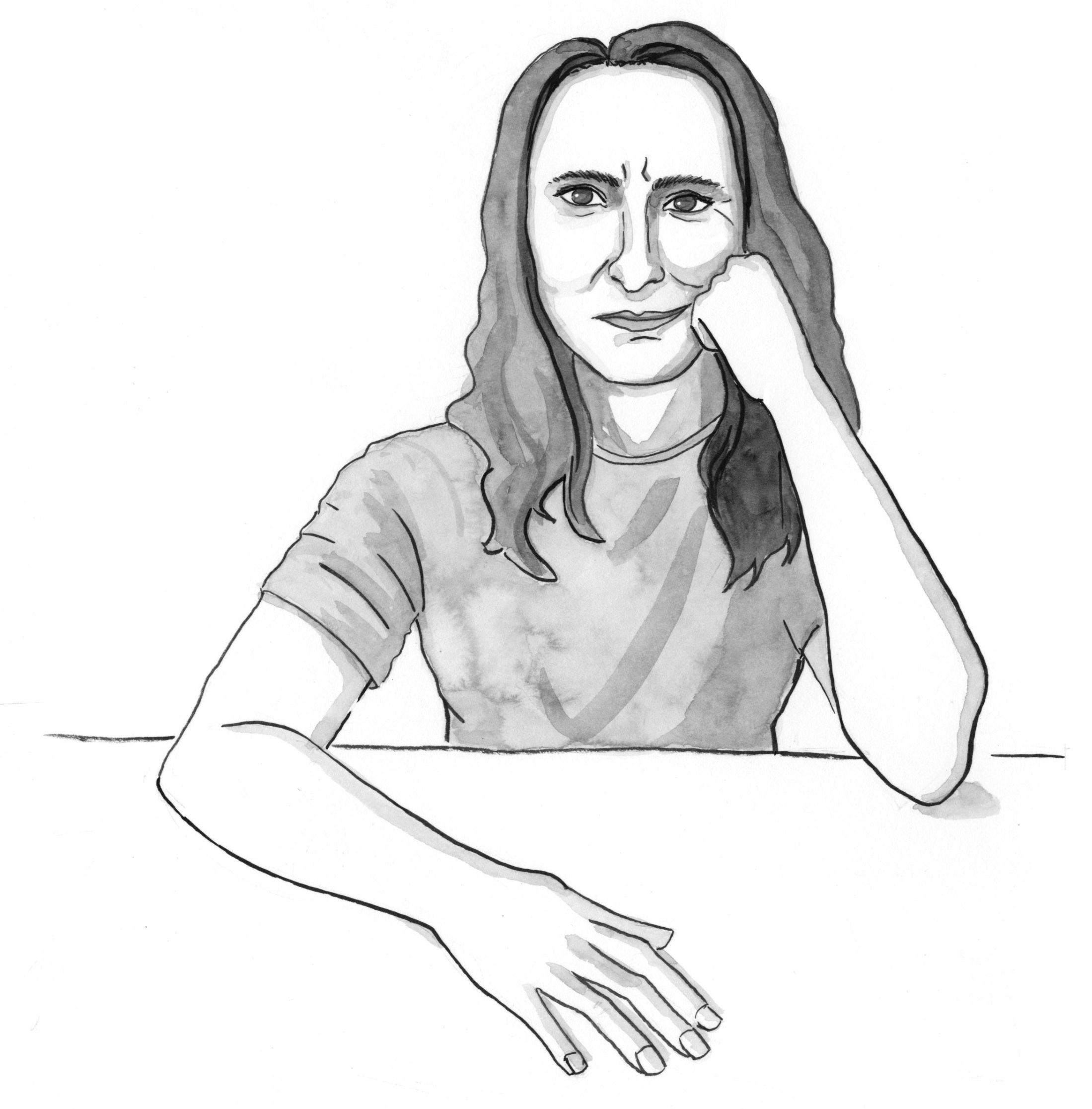 Megan Piontkowski is an illustrator living and working in Brooklyn, NY. She most enjoys illustrating recipes and food, portraits, plants and also making political illustrations. Some of the institutions she has made work for are The New York Times, The Wall Street Journal, Radiotopia/PRX, and Barnard College. Her book illustrations include interior spots for The German-Jewish Cookbook: Recipes and History of a Cuisine, writing, illustrating and hand printing the artist’s book Feminist Ships, and the cover for How to Assemble an Activist. Recently, Megan has dived headlong into zine making and always has at least a few zines on her person.
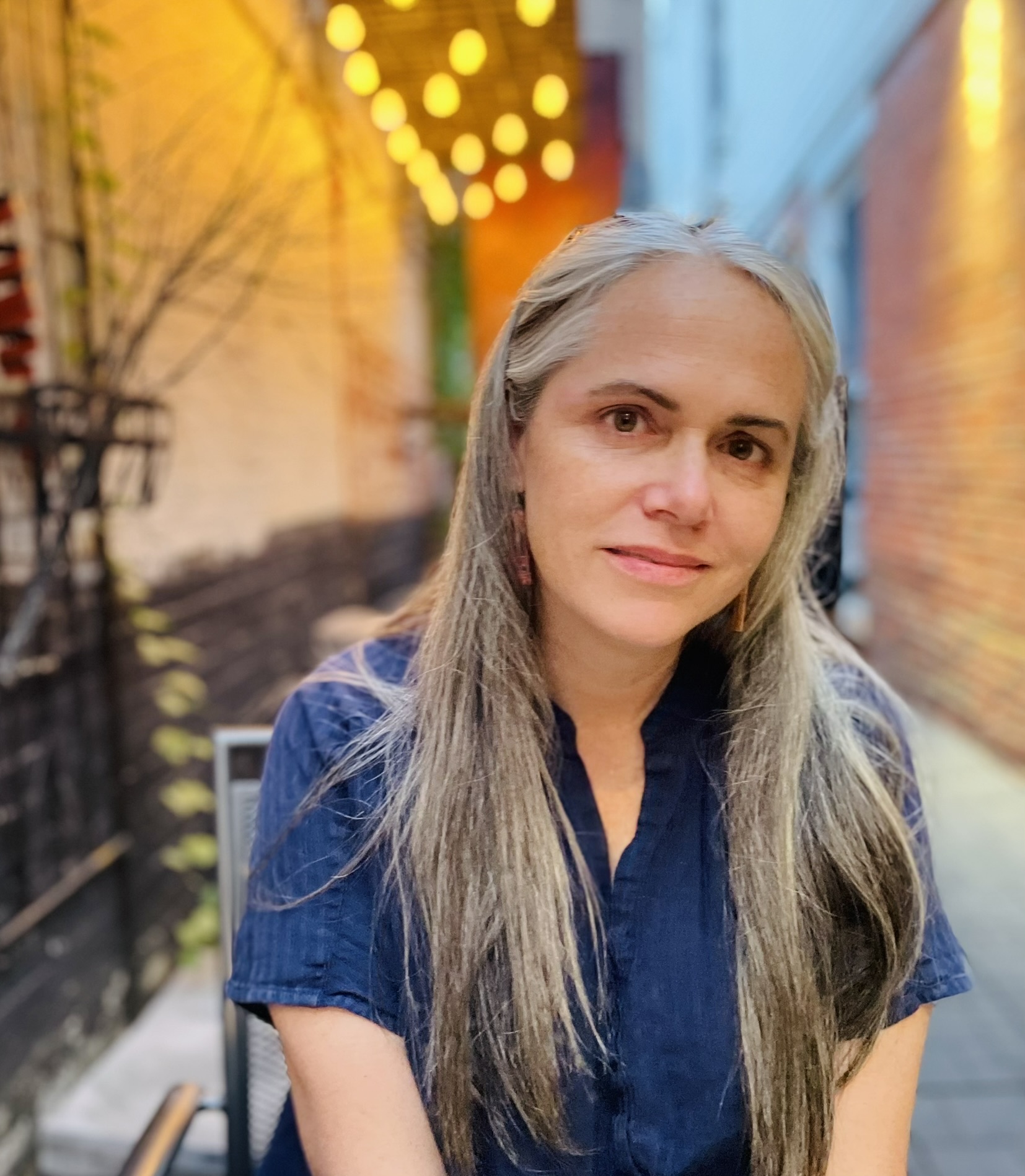 Molly Sandley is the senior national political manager at Indivisible and a Brooklyn-based organizer and strategist. She has helped craft the response to some of the largest fights in recent memory, including against the Patriot Act, to protect the ACA, and against the Muslim travel ban. She was the co-lead for No Kings NYC 1 and 2 and is the co-founder of Hands Off NYC.
Center for Brooklyn History programs are made possible in part by the New York State Legislature and the Office of the Governor.