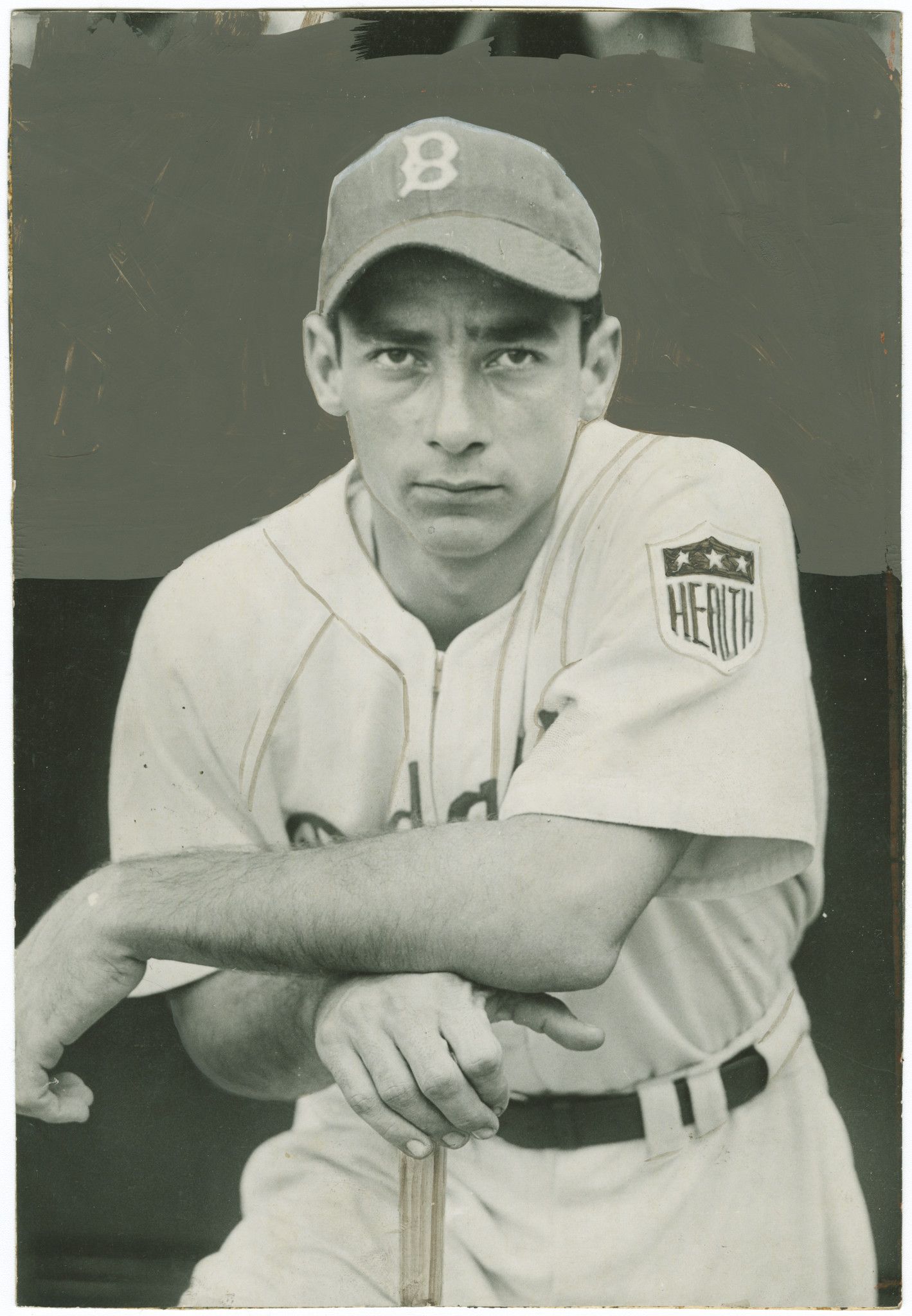
In the present day, thirty percent of the Major League Baseball players are of Latino and Hispanic descent. Though it’s undeniable that the Latin invasion in baseball changed the way the sport has been played in the United States, this was not always the case. As baseball season is underway (Go Mets!), I wanted to examine the legacy of Luis Olmo, the first Puerto Rican player for the Brooklyn Dodgers, and the second Puerto Rican player in the major leagues. Olmo’s career in the Dodgers, and baseball, marked a precedent for the Latino presence in the sport at a time when racial integration was underdeveloped and almost entirely absent.
Born in Arecibo, Puerto Rico on August 11, 1919, Olmo was already a renown baseball player in the Puerto Rican Winter League when he was recruited by the Dodgers at the age of 23. Making his major league debut on July 18, 1943 as he sported Number 21 on his jersey, he rapidly demonstrated his adeptness as a batter, and Olmo’s popularity grew with baseball fans.
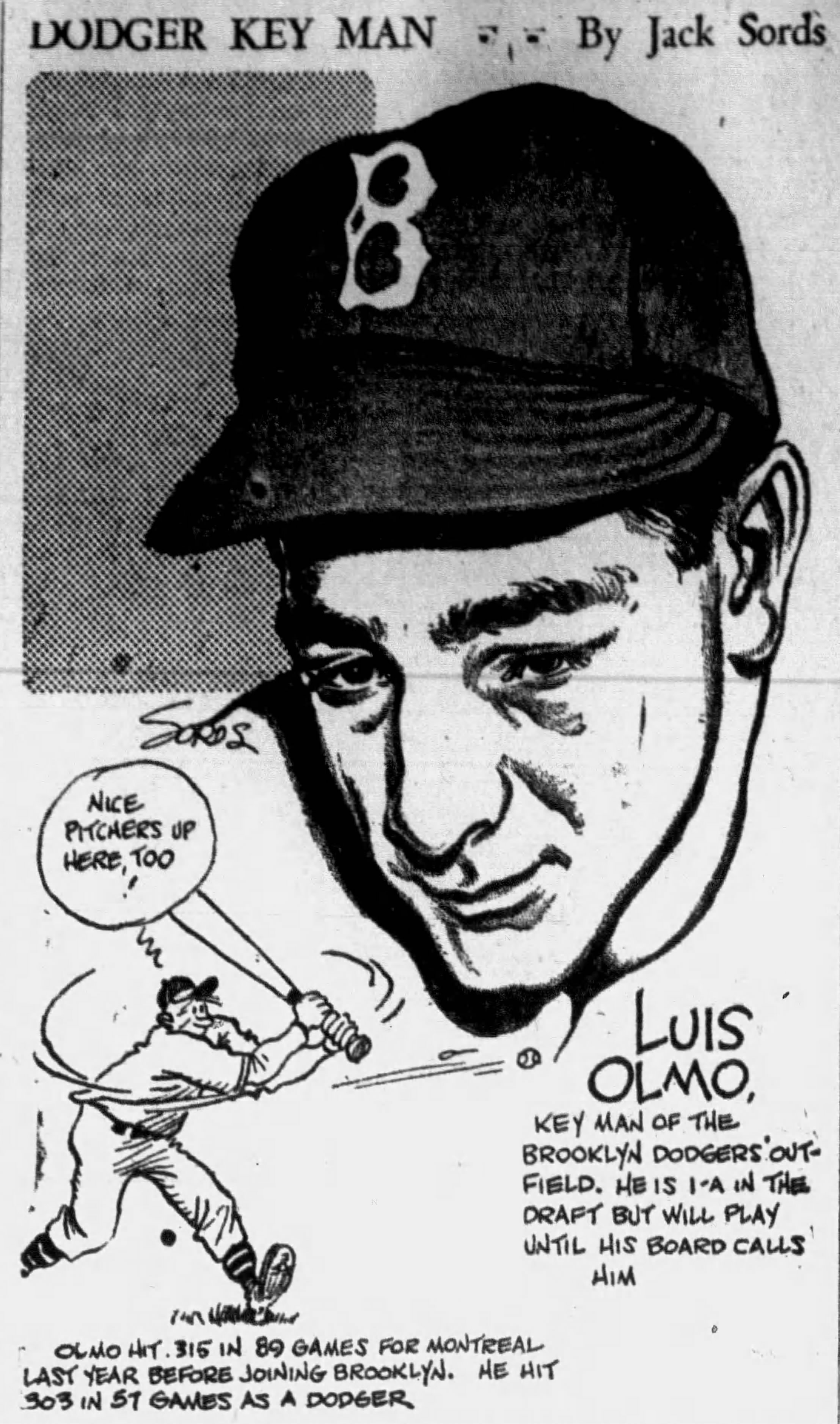
The issue of race and ethnicity, clearly, was something that could not be ignored. Newspapers of the day paid careful attention to his ethnic background—many headlines and captions of the sports sections of local newspapers, including the Daily News and the Brooklyn Eagle, refer to his looks as being more “European-looking” as opposed to “African looking” when he was recruited for spring training. Furthermore, though by no means could I ascertain this detail in my research, but popular accounts of the day mention that he and fellow Puerto Rican player Hiram Bithorn, of the Chicago Cubs, had to fill attestation forms to certify that they were of purely “Hispanic” descent. In interviews Olmo would mention that there weren’t many Puerto Rican players in the major leagues as the best players were men of color.
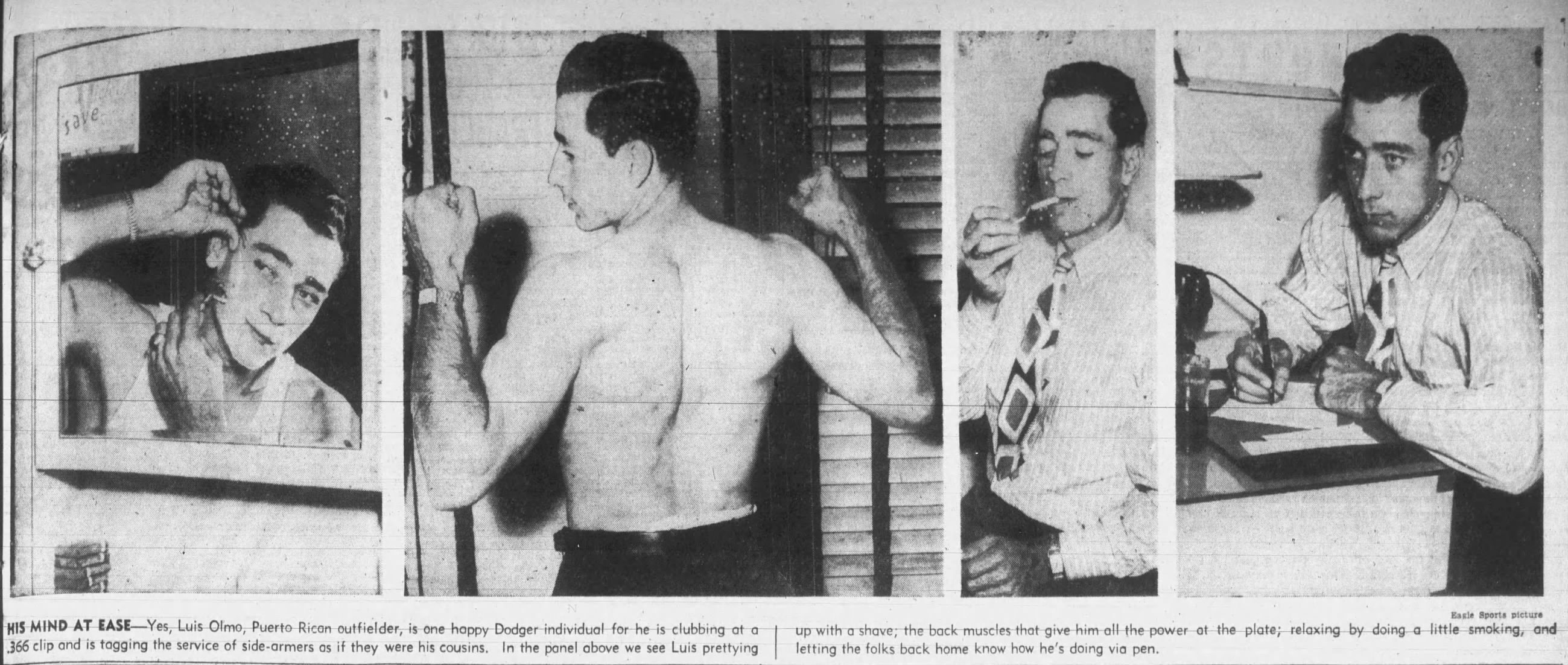
Olmo was strategic in how he presented himself, honoring his Puerto Rican roots, dubbing himself as El Jibaro, or the Hillbilly. Though his skill at using the basket catch in center field led to his nickname of El Pelotero de América—The Ballplayer of the Americas, Olmo was most proud of his self-identification with his Puerto Rican roots, paying homage to the municipality of Arecibo, as well as the humility of his family roots. In the early days of his career, Olmo was dubbed as the Dodger of the Future, but further examination of newspapers during his tenure with the Dodgers from 1943-1945 shows a fetishization and exoticizing of Olmo. Though he was considered “white” enough to play in the major leagues when African Americans were being shut out, as Jackie Robinson had not yet broken the color barrier, there was still a complicated perception of what being Puerto Rican meant and looked like. References to Olmo mentioned him being “shaken out of a coconut tree”, “baseball with a Puerto Rican accent”, and the “Chico from Puerto Rico”. Sometimes he was called “Loo-ey”.
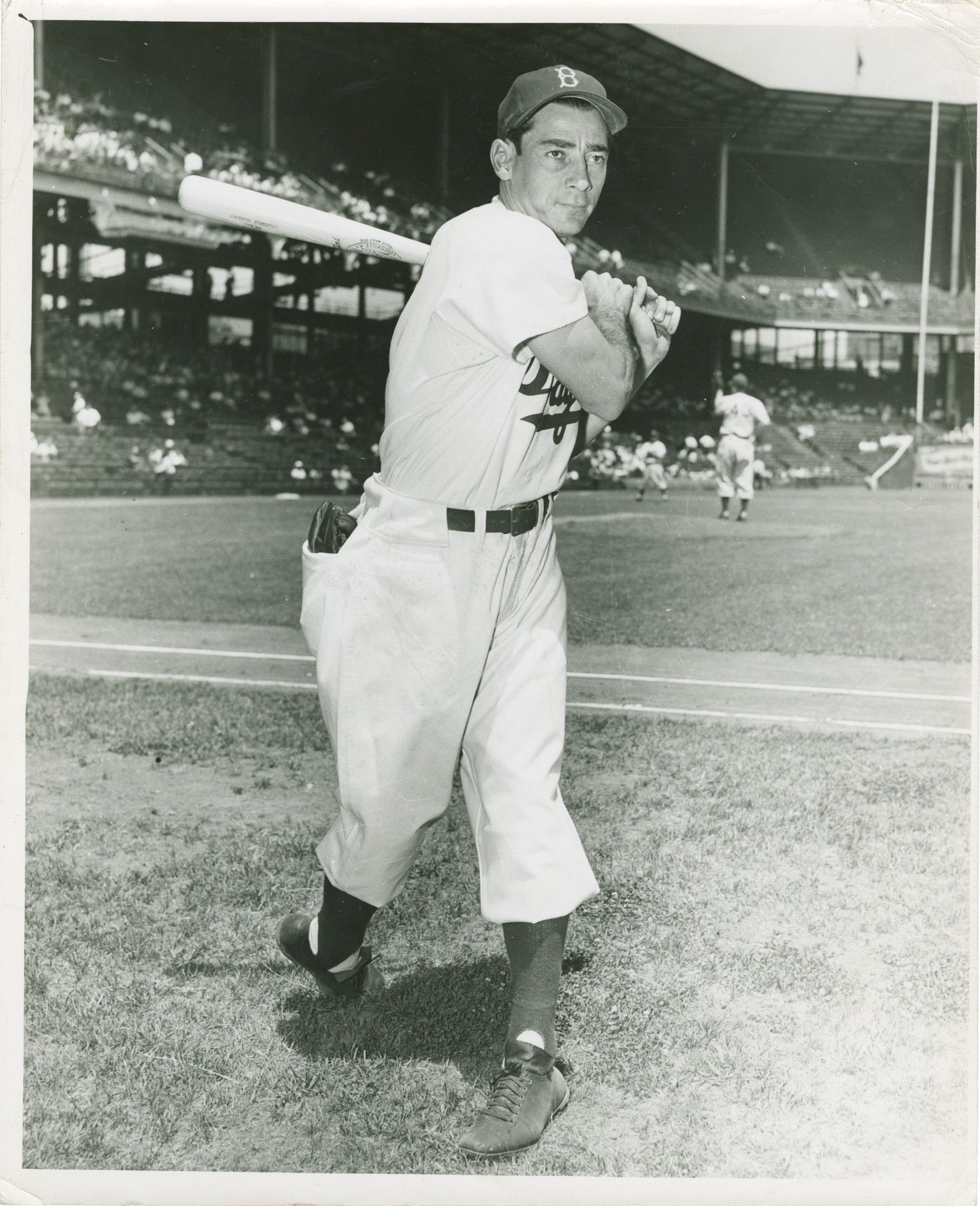
This truly begs the question of race and what the perception of OImo and Puerto Ricans looked like for the public at large—there was a lack of familiarity with the people or culture of the island. Several of the profiles written about Olmo before he made the majors remarked on his mild mannerisms, contrasting from the stereotypical perception of the spicy and fiery Latin. Besides the perceived temper issues Latinos had to contend with, there was also the complexity of skin color. A caste system of skin tones dictated what was and what was not acceptable to be labeled as “white.” Fortunately, for Luis Olmo, his skin tone fell within the acceptable range. Often, he was confused as being Cuban as most Latino players of the time were Cuban, and the homogenization of the label was contradictory to the growth of the diverse Latino population that was developing in the 1940s and 1950s.
Though there was a presence of Latino players in the leagues in the early 20th century, it was rare. Some of this could have been attributed to the obstacles in language, as teams were not investing on translators and the expectation was that players would need to learn to speak English. Hence Latino players would be recruited if they had immense prowess in the baseball diamond. Furthermore, as Olmo’s stint with the Dodgers progressed, the country was also in the middle of World War II and the shortage of American baseball players offered others the opportunity to play.
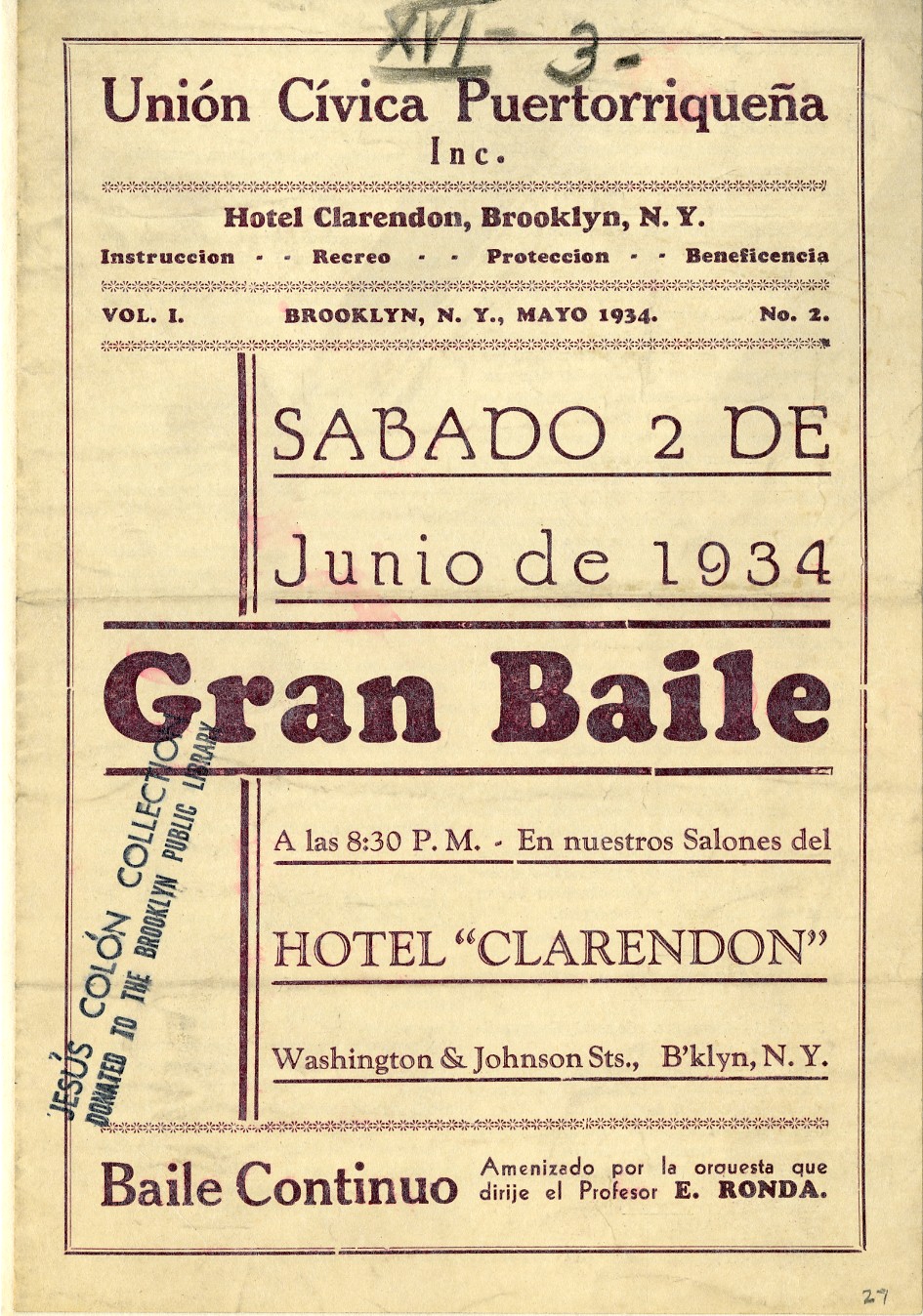
Jesus Colon, an Afro Puerto Rican activist, community organizer, and writer who is credited as the father of the literary Nuyorican movement, called upon the Puerto Rican community in Brooklyn to attend games at Ebbets Field, especially when Olmo was playing. Olmo caught his attention when he debuted in the 1943 season. Colon's publications highlighted his activism in the Puerto Rican community, but it did not necessarily stop there—he invited the community to write letters to the Dodger team management and called for desegregation of the sport. Though Colon wrote for communist publications in the 1930s and 1940s, the recurring themes in his writings centered on activating the Puerto Rican public in Brooklyn, where community events, socio-political issues, and literary pieces were disseminated in both English and Spanish. Colon made it a point for Puerto Ricans to stake their claim and make their physical presence known in Ebbets Field. Olmo mentioned that he remembered the many Dodger fans, especially the Puerto Rican fans who would speak to him in Spanish.
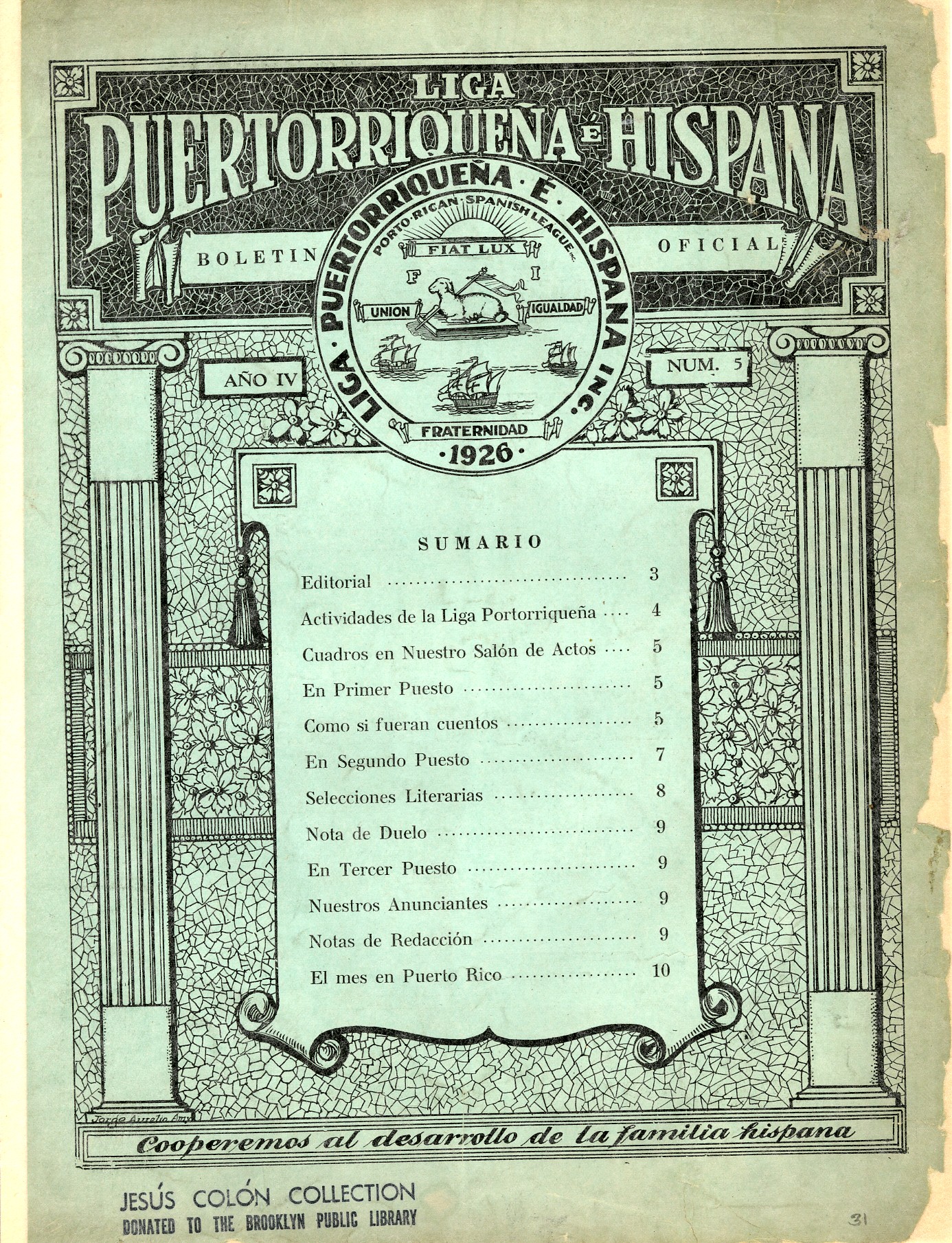
Though Olmo often credited Jackie Robinson as a trailblazer for Latin American players to Major League Baseball, his list of accomplishments was numerous and worthy. He became the first Puerto Rican to compete in the World Series when the Dodgers played against the Yankees in 1949, and was given a hero’s welcome in both Brooklyn and Puerto Rico. He was the first Puerto Rican to hit a home run and make three hits in a series game. In a six-year career in the major leagues, Olmo batted .281 (458-for-1629) with 29 home runs, 208 runs, 65 doubles, 25 triples, and 33 stolen bases in 462 games. His best season was in 1945 with 10 homeruns in 91 games where he gained respect and admiration from fans. After his time in Major League Baseball came to an end, he had played and coached in professional leagues across Venezuela, Mexico, the Dominican Republic, Panama, Cuba, and Puerto Rico. He landed in the Caribbean Baseball Hall of Fame. Olmo’s career proved to be a compelling intersection of race, sports, and identity that merits further study and attention.
Interested in seeing more photos from CBH’s collections? Visit our online image gallery, which includes a selection of our images, or the digital collections portal of Brooklyn Public Library. We welcome appointments to research our entire collection of images, archives, maps, and special collections. Our reference staff is available to help with your research! You can reach us at cbhreference@bklynlibrary.org.
This blog post reflects the opinions of the author and does not necessarily represent the views of Brooklyn Public Library.
Post a Comment
While BPL encourages an open forum, posts and comments are moderated by library staff. BPL reserves the right, within its sole discretion, not to post and to remove submissions or comments that are unlawful or violate this policy. While comments will not be edited by BPL personnel, a comment may be deleted if it violates our comment policy.
eNews Signup
Get the latest updates from BPL and be the first to know about new programs, author talks, exciting events and opportunities to support your local library.