This post has been adapted from Synthify. Synthify is an international student-led organization dedicated to making science accessible for teenagers. We produce insightful magazines consisting of in-depth scientific articles written by high school students. Our publications will be distributed in physical copies to libraries, organizations, and schools nearby, ensuring widespread access to cutting-edge scientific knowledge. Check more about them through their Instagram: synthifyofficial_
January 24, 2026 Issue
Introduction
Ophthalmology is more than just the study of the eyes; it's about curing underlying diseases and protecting one of the most delicate parts of our body. Ophthalmology is the study and field of diagnosis and treatment of eye disorders. Ophthalmologists are medically trained doctors who can perform surgeries and treat a wide range of eye diseases, helping treat common infections and also addressing more serious conditions. Meanwhile, optometrists are specialists who perform routine vision checkups and have a Doctor of Optometry degree. This path only requires 4 years of schooling.
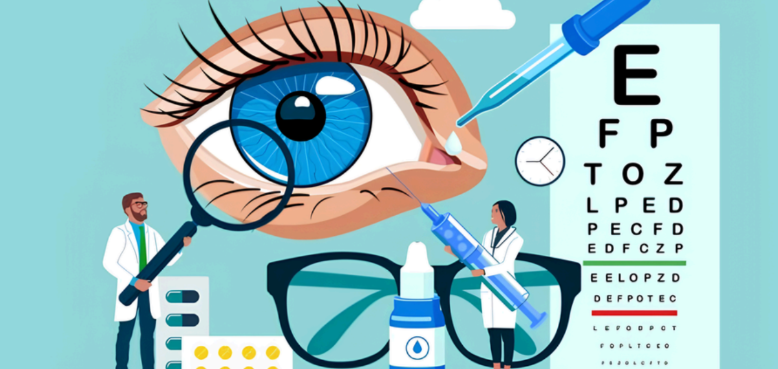
Pic 2. Picture of eyecare services. Credit: Health Connect 24x7
Eyecare
Glasses were invented during the late 13th century, and Salvino D’Armate is often credited with the invention of glasses. Before then, people with impaired vision had to squint, which led to eye strain and fatigue. While daily tasks were a struggle, other senses, like hearing and touch, became stronger. During the Middle Ages, glasses were used as scholars had to read and write scripts. As time went on and new technological advancements emerged, new materials were created, and frames that were once made from bones or metal became more comfortable to wear. They also became more stylish and accessible. More recently, the Meta x Ray Ban glasses have been trending. Over 2 million pairs have been sold since October 2023, when they were released to the public. With the glasses, you can take images and even record footage. There are some speculations about privacy concerns, but the glasses do not function if the lens is covered and emit a flash when in use. LASIK eye surgery, or laser-assisted in situ keratomileusis, is a procedure designed to correct refractive vision issues such as astigmatism, farsightedness, and nearsightedness. So, how does it work? A specialized laser helps to reshape the cornea, allowing light to focus correctly on the retina and thus providing better vision. There are countless benefits of LASIK, including a quick recovery time and minimal discomfort. Additionally, with LASIK, you don’t need to depend on your corrective eyewear as much. Contacts are an alternative to glasses for vision correction. There are many advantages, such as providing a wider field of view and not fogging up like glasses. This advantage makes it more reliable when you want to go to the gym; you won’t have to worry about them slipping off your nose bridge or breaking it when doing intense and rough physical activity. Contacts come in different types, including daily disposables, extended wear, and toric lenses for astigmatism. There are also colored lenses for aesthetic purposes, which can be prescribed as well. Popular brands like Hapa Kristin and Olens offer a wide range of colored lenses, and even sell sparkly and pink lenses as opposed to your typical brown or olive. Regardless of prescription, however, proper care and hygiene are essential to avoid infections, as our eyes are very sensitive.
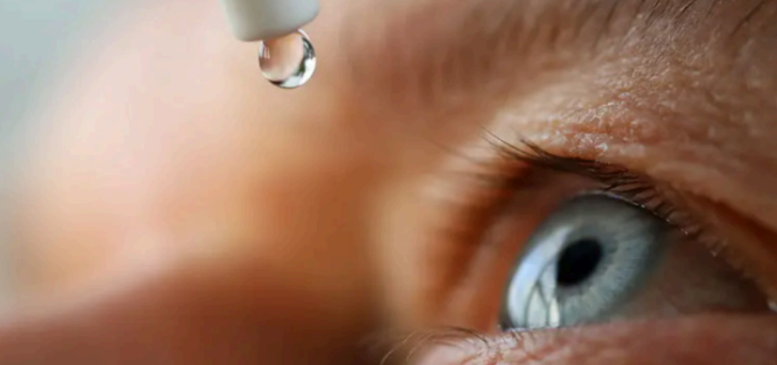
Pic 3. Eyedrops are used to treat dryness and irritation. Credit: American Academy of Ophthalmology
Diseases
Eyes can be affected by various conditions, including cataracts and glaucoma. Every disease can lead to severe complications if not treated and diagnosed. For early detection and prevention, booking regular eye examinations is ideal. Awareness of the conditions are crucial for early diagnosis and effective treatments. Let’s dive deeper into some of these common eye diseases: Pic 3. Eyedrops are used to treat dryness and irritation. Credit: American Academy of Ophthalmology Cataract is a condition in which the lens in the eye becomes cloudy, resulting in blurry sight and impaired vision at night. Cataracts are often an age-related disease and can be treated by surgery. Glaucoma is a common condition characterized by increased pressure within the eye, which can damage the optic nerve and result in vision loss. There are no early symptoms, which makes routine eye checkups even more crucial. Amblyopia occurs when the brain does not fully acknowledge the signals from one eye, resulting in reduced vision in that eye. It can be caused by numerous factors such as misaligned eyes, refractive errors, or other visual obstructions. Treatment may include corrective lenses, eye patches, or vision therapy. Another common disease is diabetic retinopathy, with over 3 million cases in the US per year, which occurs in people with diabetes and results from damage to the blood vessels in the retina. This condition needs to be monitored as it can result in blindness in more severe cases, but in its early stages can lead to vision impairment if left unmanaged.
Conclusion
All in all, eye care isn’t just about seeing clearly. It is about caring for a part of your body that is so small, and plays a big role in our daily lives. With poor vision or without eyes, we wouldn’t be able to safely cross the road or admire art at a museum. From historic lenses to smart lenses and modern-day surgeries, the methods to treat our eyes have improved immensely. Ophthalmology reminds us that vision allows us to connect with people through eye contact and navigate the world. By taking care of our eyes, we are able to experience life to the fullest and meaningfully.
References:
Cleveland Clinic. “What Is an Ophthalmologist: Eye Doctor (Ophthalmology) Definitions and Types.” Cleveland Clinic, 30 Nov. 2021, my.clevelandclinic.org/health/articles/22159-ophthalmologist.
“What Is Ophthalmology? Medical Conditions, Procedures, and More.” www.medicalnewstoday.com, 22 Oct. 2019,
www.medicalnewstoday.com/articles/326753#procedures.
This blog post reflects the opinions of the author and does not necessarily represent the views of Brooklyn Public Library.
Post a Comment
While BPL encourages an open forum, posts and comments are moderated by library staff. BPL reserves the right, within its sole discretion, not to post and to remove submissions or comments that are unlawful or violate this policy. While comments will not be edited by BPL personnel, a comment may be deleted if it violates our comment policy.
eNews Signup
Get the latest updates from BPL and be the first to know about new programs, author talks, exciting events and opportunities to support your local library.