Working overseas can be a great way to see the world, learn new languages and skills, and meet new people. It might be because you’re looking for a change of pace, a spouse or family member is taking a role outside of the US, or because you’re looking for a country with a culture that feels safe and welcoming. Whatever the reason, it can be tricky to figure out where to start. But don’t despair! The library has some great resources to help you get ready and there are helpful websites out there as well.
More than 50 countries around the world offer a digital nomad visa, a way for Americans who freelance or work remotely to relocate abroad for a few months to a few years. It’s important to investigate the rules for each country if you want to take advantage of this kind of visa. Some countries may require you to have a business that is established for at least one year, like Spain. Or you may need to have a local residence leased for at least one year, like Portugal. Many countries, including Estonia and Brazil, require you to have a certain level of income per month – if your income drops, you may need to quickly find new employment or apply for a different kind of visa to continue your stay.
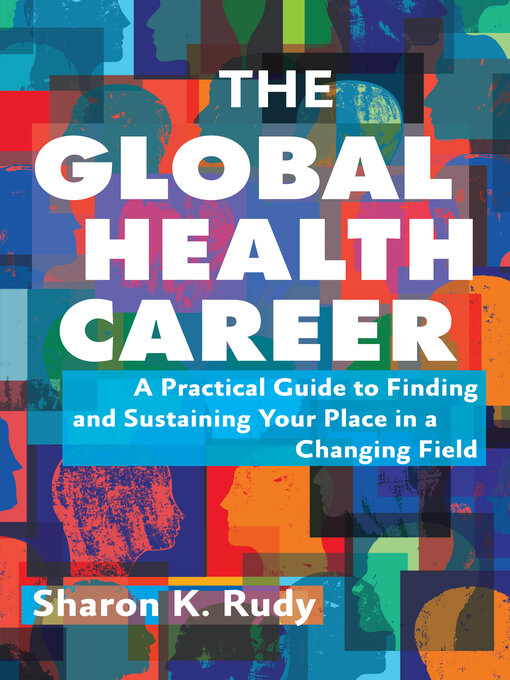
The Global Health Career: A Practical Guide to Finding and Sustaining Your Place in a Changing Field can help those looking for work in the field of international public health. Whether you are a recent graduate or a seasoned professional, this book offers valuable tools and resources to help you navigate your career journey with confidence.
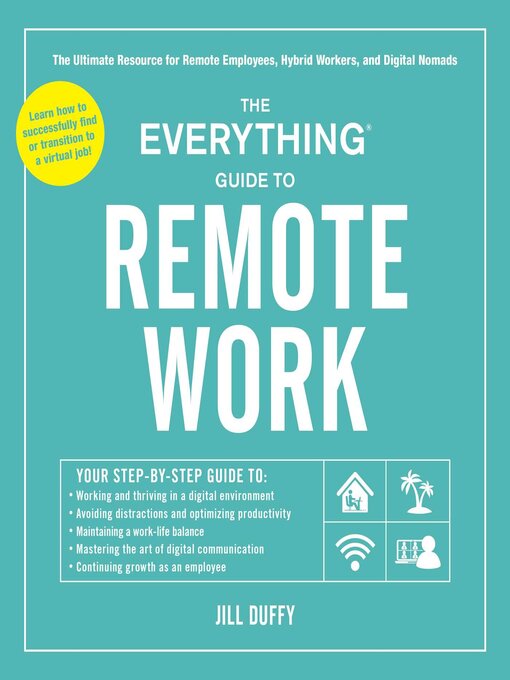
The Everything Guide to Remote Work: The Ultimate Resource for Remote Employees, Hybrid Workers, and Digital Nomads is one book that can help you figure out the best way forward with your working abroad goals across a broad spectrum of employment types. You can also check out books that specifically focus on the digital nomad life like How to Be a Digital Nomad: Build a Successful Career While Travelling the World.
You can find these titles and more in our Remote & Hybrid Work reading list!
Networking, doing your research, and planning ahead are crucial too. Do you want to find a country welcoming to BIPOC, one that has laws protecting trans people, and/or places where accessibility is a priority? You can check out helpful resources like the US News Report on Best Countries for Racial Equity, the ILGA World LGBTQ+ Database, or Accesibly’s 10 Most Disability-Friendly Countries.
Subreddits like AmerExit and IWantOut can be helpful for informal advice and ideas. So can making sure vital things like vaccinations and passports are up to date.
You can make an appointment at a local consulate if you are interested in applying for a visa to live and work in another country – visit the 311 page on Consulates or call 311 directly for contact information.
For a list of international job boards, check out 15 Best international job boards for up-and-coming expats. Want to know how Antwerp or Naples compares to NYC’s cost of living? Try a cost of living comparison site like LivingCost or Numbeo.
Bonne chance, held og lykke, sėkmės, buena suerte, veel geluk, buona fortuna, lykke til, pob lwc, and good luck!
This blog post reflects the opinions of the author and does not necessarily represent the views of Brooklyn Public Library.
Post a Comment
While BPL encourages an open forum, posts and comments are moderated by library staff. BPL reserves the right, within its sole discretion, not to post and to remove submissions or comments that are unlawful or violate this policy. While comments will not be edited by BPL personnel, a comment may be deleted if it violates our comment policy.
eNews Signup
Get the latest updates from BPL and be the first to know about new programs, author talks, exciting events and opportunities to support your local library.