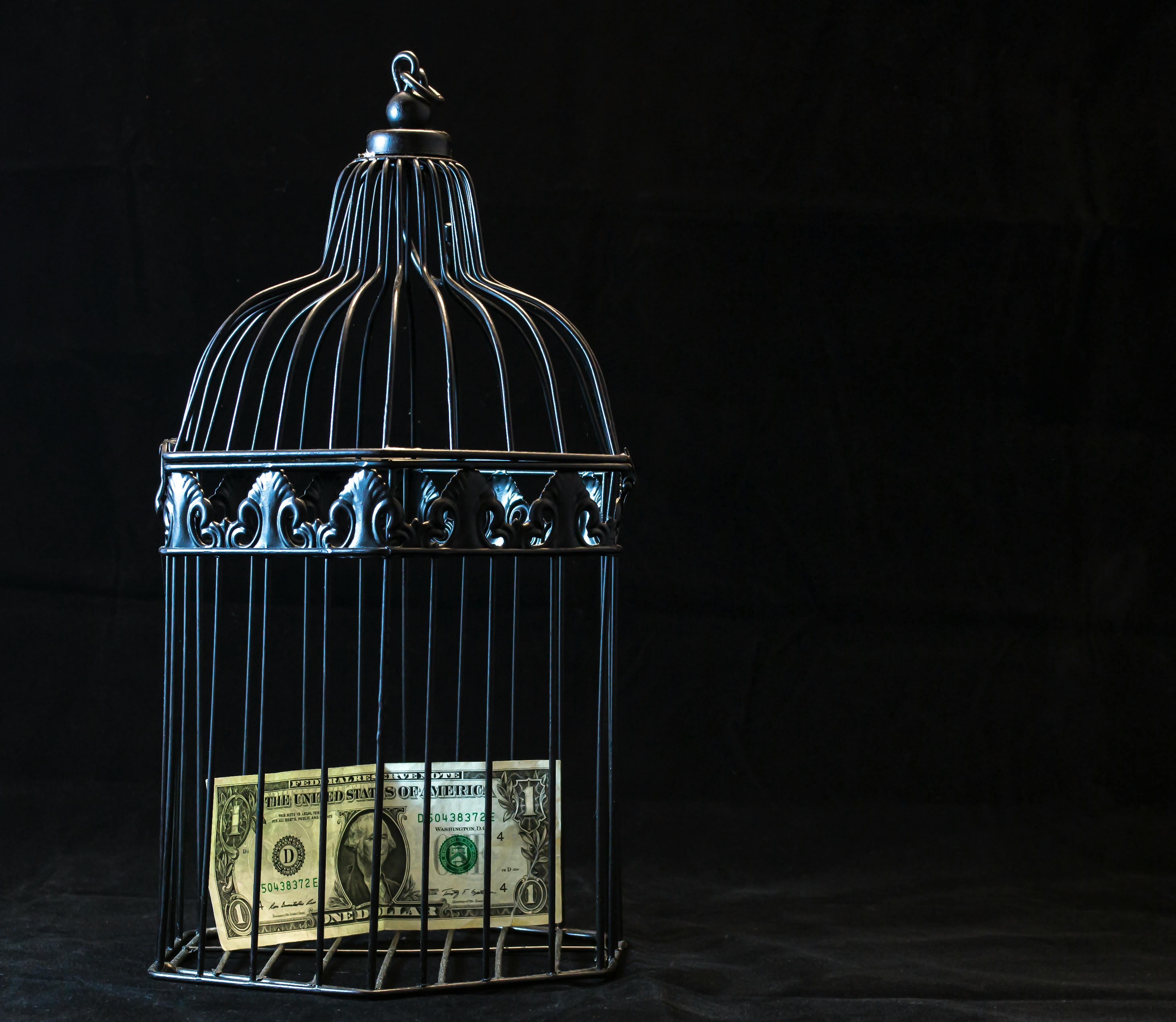
When most people think of abuse, physical harm comes to mind. Yet one of the most pervasive and least recognized forms is economic abuse. Sometimes called financial abuse, it is a silent but powerful tool of control. October is Domestic Violence Awareness Month, a time to shed light on abuse in all its forms. Understanding economic abuse is essential, because it is both widespread and devastating.
What Is Economic Abuse?
Economic abuse occurs when one partner restricts, controls, or sabotages another’s ability to acquire, use, or maintain financial resources. The goal is to create dependence, making it harder for the survivor to leave or build a life apart from the relationship.
An abuser systematically undermines financial freedom by controlling income, access, or spending until the survivor’s existence feels tied to the relationship.
Examples include:
- Preventing or limiting a partner’s ability to work.
- Directing the survivor’s paycheck into an account they cannot access.
- Running up debt in the survivor’s name and refusing to pay it.
- Controlling money through allowances and demanding receipts.
- Withholding money for food, medicine, or children’s needs.
- Living in the survivor’s home without contributing financially.
- Stealing funds from the survivor, family, or friends.
- Taking government benefits, tax refunds, or children’s savings.
- Forcing access to tax documents or confiscating joint returns.
How Common Is It?
Economic abuse is alarmingly common. Research shows that 76–99% of intimate partner violence (IPV) survivors also experience financial abuse.
It often occurs alongside other forms of IPV, such as:
- Physical abuse
- Emotional abuse
- Sexual abuse
- Reproductive coercion
- Stalking
- Spiritual abuse
- Technology-facilitated abuse
The Consequences
- Economic abuse reaches far beyond money. It destabilizes nearly every aspect of a survivor’s life, often surfacing only when consequences are severe.
- Financial & practical impacts: ruined credit, debt, inability to secure housing, utilities, jobs, or insurance.
- Mental & physical health impacts: depression, anxiety, PTSD, stress-related illness, low self-esteem, suicidal thoughts.
- Social & family impacts: isolation, difficulty caring for children, decreased quality of life.
- Legal risks: charges tied to coerced debts or fraud.
- Economic abuse also undermines psychological well-being, self-acceptance, autonomy, mastery of environment, positive relationships, growth, and purpose.
Safety Planning for Survivors
Safety Planning for Survivors
Survivors can take steps to protect themselves, though safety must always come first:
- Set up a private bank account or keep cash in a secure place.
- Protect accounts with two-factor authentication and alerts for unusual activity.
- Ask trusted friends or family to hold money or manage benefits.
- Copy critical financial documents and store them safely.
- Keep records of shared assets with photos or documents.
How to Support Someone Experiencing Economic Abuse
If someone you care about may be experiencing financial abuse, your support matters. Always check in privately and respect their choices. Ways to help include:
- Safeguard money or help with discreet savings.
- Offer transportation to work or appointments.
- Assist with documentation of financial abuse.
- Provide your address for secure banking or mail.
Breaking the Silence
Economic abuse strips survivors of freedom, dignity, and opportunity. Yet, because it leaves no visible scars, it is often overlooked. By naming it, recognizing the signs, and supporting survivors, we can help break the cycle of control.
This October, during Domestic Violence Awareness Month, remember: abuse takes many forms, and financial abuse is one of the most hidden but destructive. Awareness is the first step toward empowerment and safety.
Resources for Help
If you or someone you know is experiencing financial abuse, these confidential resources can help:
National Domestic Violence Hotline – 24/7 phone, chat, or text support.
- Call: 1-800-799-SAFE (7233)
- Text: “START” to 88788
- Chat: thehotline.org
National Network to End Domestic Violence (NNEDV) – Advocacy and resources on financial abuse.
Women’s Law – State-specific legal information for survivors.
RAINN – 24/7 sexual violence support.
- Call: 1-800-656-HOPE (4673)
- rainn.org
Economic Empowerment Resources
*If using online resources, survivors should use a safe device and clear browsing history.
Works Cited
“Financial Abuse Is Domestic Abuse - DFPI.” DFPI, 2025, https://dfpi.ca.gov/news/insights/financial-abuse-is-domestic-abuse/. Accessed 17 September 2025.
Johnson, Laura et al. “Examining the impact of economic abuse on survivors of intimate partner violence: a scoping review.” BMC public health vol. 22,1 1014. 19 May. 2022, doi:10.1186/s12889-022-13297-4
“What is Financial Abuse? - The Hotline.” National Domestic Violence Hotline, https://www.thehotline.org/resources/financialabuse/. Accessed 16 September 2025.
This blog post reflects the opinions of the author and does not necessarily represent the views of Brooklyn Public Library.
Post a Comment
While BPL encourages an open forum, posts and comments are moderated by library staff. BPL reserves the right, within its sole discretion, not to post and to remove submissions or comments that are unlawful or violate this policy. While comments will not be edited by BPL personnel, a comment may be deleted if it violates our comment policy.
eNews Signup
Get the latest updates from BPL and be the first to know about new programs, author talks, exciting events and opportunities to support your local library.