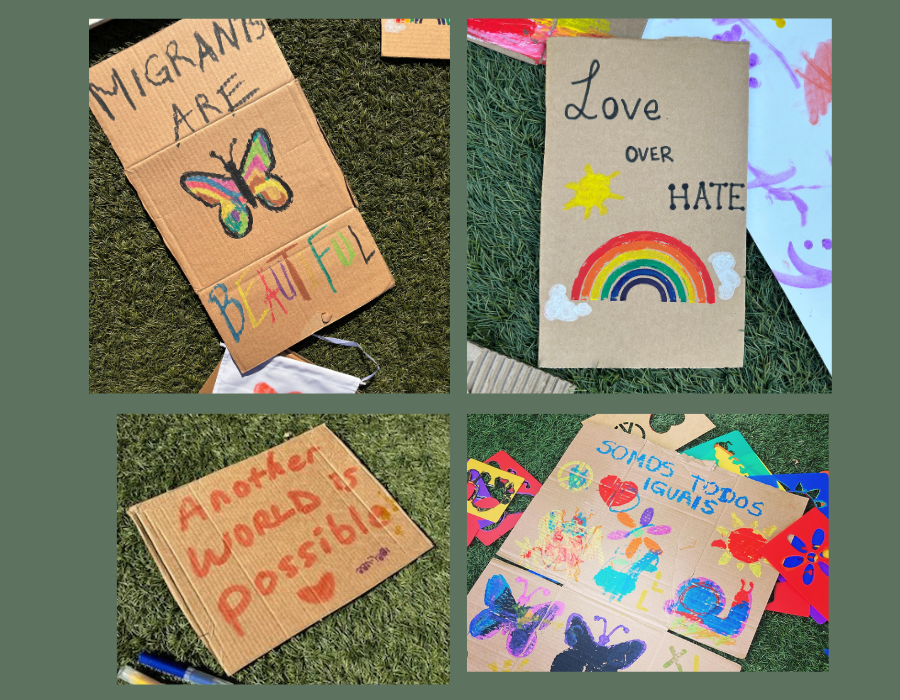
All are welcome at the library.
At Brooklyn Public Library, we serve families with many different backgrounds, languages, and immigration stories. When Immigration and Customs Enforcement (ICE) activity impacts our communities—locally or nationally—it can affect children in real ways, shaping their questions, worries, and behavior as they absorb the stress and concern felt by adults around them. Immigration enforcement actions can be especially traumatic for young children witnessing or experiencing ICE actions. Below, we share resources to help families talk with children ages 2–12, along with recommended books, information from trusted sources, and some ways BPL supports immigrant communities — now and always.
Why is it important to talk to children about ICE right now?
Talking to children about what they may be seeing, hearing, or feeling helps them feel more grounded and safe. This conversation will look different for every family, especially depending on how immigration enforcement affects your family or community.
- Children notice more than we think. They hear adult conversations, see headlines and social media posts, pick up on stress we may be feeling, and notice changes in routines when families are navigating increased risk.
- Silence can increase fear and stress. When kids don’t get clear, age-appropriate information from trusted grown-ups, they often fill in the gaps with their own worries or possible misinformation from peers or other adults.
- Affirming, honest conversations build trust. Talking openly helps children feel safe asking questions and sharing feelings.
- It reinforces shared values. These conversations are an opportunity to celebrate immigration, diversity, and solidarity.
- Context matters. When kids (and adults) understand history, they’re better able to see patterns and ask meaningful questions. That can mean talking about migration as a big part of human history, and learning about past moments when enforcement systems targeted communities in similar ways, including targeting children.
Start a Conversation:
Begin by responding to what your child is noticing or feeling. Asking open-ended questions can help create space for conversation and understanding. You know your child and your situation best, so choose the questions or prompts that feel right for you. Specific support for impacted families is linked below.
Understand what your child is noticing:
- What have you heard about ICE?
- Did you hear something at school, on the bus, or online that you want to talk about more?
- What words have you heard that you didn’t understand?
Explore related feelings:
- How does this make you feel?
- Did anything you heard make you feel scared, sad, or angry?
- What helps you feel better when you’re worried?
Connect to family values:
- What does it look like to stand up for others?
- Why do you think staying together matters to families?
- How can we make our school/library/community safer for everyone?
Highlight solidarity and connection:
- Did you know there are lots of people who care about families being treated fairly?
- Who are some helpers or groups you’ve seen standing up for families?
- Why do you think it matters when people speak up together?
Reinforce safety and support:
- Who do you go to when you are sad or scared?
- What’s something we do every day that helps you feel okay?
- Is there something we can do together when you’re feeling worried?
More Resources for Guiding Conversations:
- What to Say to Kids about ICE (Children’s Network of Solano County)
- Conversations about ICE by Age (Temple Israel Minnesota)
- Talking with Children about Difficult Things in the News (Fred Rogers Institute)
- How to Talk to Kids about Tough Topics (Sesame Street)
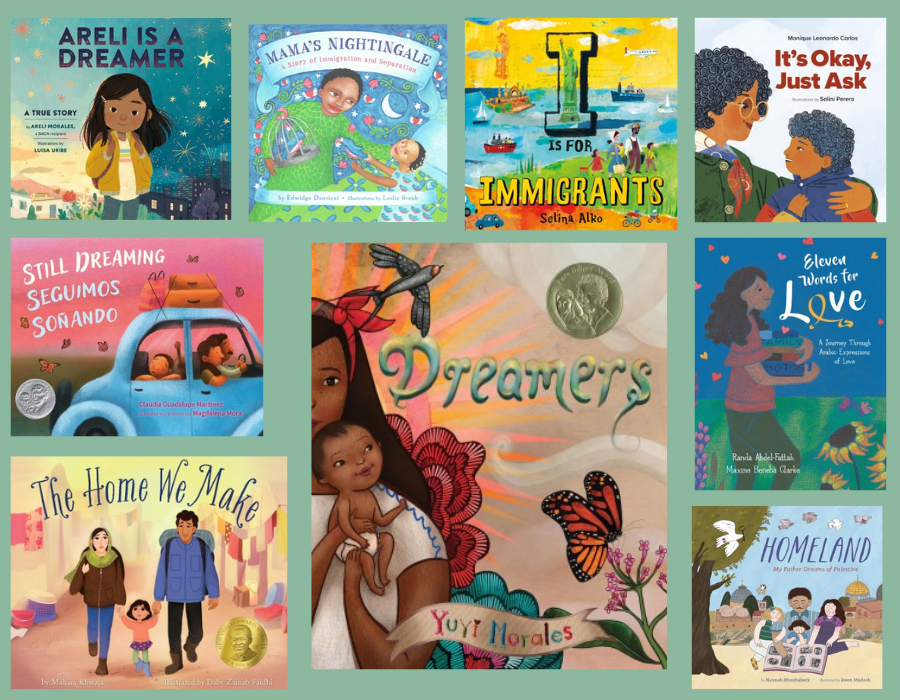
Books for Context and Conversation:
- BKLYN Picture Books About Immigration Stories, Borders, Seeking Asylum and the Migrant Experience
- BKLYN Picture Books about Displacement & Migration
- BKLYN Picture Books about Activism, Solidarity and Protest
- BKLYN Storytime Books for Immigrant Families Experiencing Stressful Times
- BKLYN School Age and YA Books about Immigrants and Immigration
- Family Separation (Colorin Colorado)
Resources for Impacted Families:
- Resources for Immigrant Parents and Families and Know Your Rights (Mayor’s Office of Immigrant Affairs)
- United for Families Safety Kit (Literacy Inc)
- Immigration Resources for Families (Children's Network of Solano County)
- When Children are Afraid of a Parent's Deportation (Minnesota Association for Children's Mental Health)
- Standby Guardianship Project and Hotline (NYLAG)
- Family Planning Guide (Make the Road NY)
- For Kids: What to Do If You're Worried About ICE (Children’s Network of Solano County)
- Immigrant and Refugee Children: A Guide for Educators and School Support Staff (United We Dream)
- Resistencia y Asistencia Resource List (Reforma)
- We Have Rights Empowerment Campaign Videos (We Have Rights)
Resources for Parents & Educators in Solidarity with Impacted Families:
- What to Do if ICE Comes to Your School (Make the Road NY)
- Tips for Current Caregivers of Separated Children (NCTSN)
- Take Action and Build Community with other Parents (Hands Off NYC Families)
- Join or Host a Community Weekend of Action (Hands Off NYC)
- Supporting Young Children Affected by Family Separation Policies (Zero to Three)
- Tell State Lawmakers to Keep ICE out of Classrooms (Public School Strong)
- How to Support Immigrant Students and Families: Strategies for Schools and Early Childhood Programs (Colorin Colorado)
- Teach About Immigration (Zinn Education Project)
BPL Resources for Immigrants:
- Legal and Immigration Resources
- English Conversation Groups
- Free Drop-In English Classes
- Immigrant-Focused Programs and Services
- Job and Career Help
- LEAD Workforce Development for Immigrant Women (at BPL and other locations)
- Citizenship Classes
- Multilingual Storytimes
This post was created using information and resources from trusted organizations and groups, including the Children’s Network of Solano County, the NYC Mayor’s Office of Immigrant Affairs, St. Louis Public Library, Make the Road NY, Zero to Three, Hands Off NYC Families, and Kids in Need of Defense (KIND). Special thanks to the BPL Outreach Department for all that you do for immigrant communities in Brooklyn, and for sharing resources for this post. Thank you to the YA and Children's Librarians who contributed book and resource ideas for this post.
This blog post reflects the opinions of the author and does not necessarily represent the views of Brooklyn Public Library.
Post a Comment
While BPL encourages an open forum, posts and comments are moderated by library staff. BPL reserves the right, within its sole discretion, not to post and to remove submissions or comments that are unlawful or violate this policy. While comments will not be edited by BPL personnel, a comment may be deleted if it violates our comment policy.
eNews Signup
Get the latest updates from BPL and be the first to know about new programs, author talks, exciting events and opportunities to support your local library.